
Understanding Tinnitus for a Calmer You
about tinnitus

Understanding what tinnitus is, why it can feel so intrusive, and how it can be managed is often the first step towards feeling calmer and more in control.
What is Tinnitus?
If you’ve ever experienced a persistent ringing, buzzing, or whooshing sound in your ears, even when there's no external noise, you're not alone. Tinnitus affects an estimated 740 million people worldwide and is a common condition that can be frustrating and disruptive.
The good news? Tinnitus itself isn't physically harmful, and there are some effective management strategies to help you cope and find relief. This page aims to help you better understand tinnitus and the different types and the factors that can cause it. We also provide some techniques that can enable you to take control of your tinnitus and manage your hearing health with confidence.

Causes of Tinnitus
Tinnitus can be caused by a variety of factors, and in some cases, the exact cause remains unknown. Here's are some common causes:
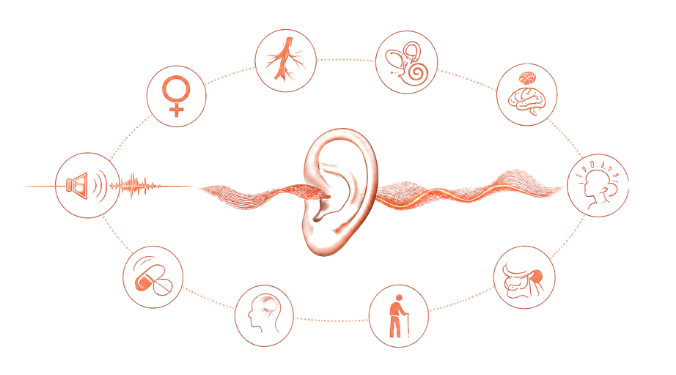
NOISE EXPOSURE
Loud noises can damage the hair cells in the inner ear. This damage can lead to tinnitus as the auditory system tries to compensate for the lost function, resulting in the perception of phantom sounds.
EARWAX BUILDUP
Excessive earwax buildup can block the ear canal, affecting sound transmission and sometimes causing tinnitus. This type of tinnitus usually resolves once the earwax is removed by a doctor.
MEDICATIONS
Certain medications can have a side effect of tinnitus. These medications can damage the hair cells in the inner ear, leading to tinnitus. It's important to discuss any concerns with your doctor if you're taking medications.
HEAD INJURY
Head trauma can damage various parts of the auditory system, including the inner ear and auditory pathways in the brain. This damage can manifest as tinnitus.
HORMONE CHANGES
There is emerging science to suggest that changes in certain hormone levels are linked to tinnitus. Oestrogen has been shown to play a role in the development and maintenance of auditory pathways in the brain. A decline in oestrogen levels - during menopause or after giving birth - may contribute to tinnitus.
CIRCULATORY ISSUES
In rare cases, tinnitus can be a symptom of underlying circulatory problems. Abnormal blood flow near the ear can sometimes generate tinnitus sounds
MENIERES DISEASE
This inner ear disorder can cause tinnitus along with symptoms like vertigo (feeling of spinning) and hearing loss.
STRESS AND ANXIETY
While not a direct cause, stress and anxiety can worsen tinnitus symptoms. When stressed, the perception of tinnitus can become more noticeable and bothersome.
AGE-RELATED HEARING LOSS
As we age, it's natural to experience some degree of hearing loss. This can be associated with tinnitus as the auditory system tries to adjust to the reduced sound perception.
TMJ
Problems with the temporomandibular joint, located near the jaw where it is believed that muscle tension or inflammation in the TMJ area may contribute to tinnitus symptoms.
Managing Tinnitus
The two most important things to do if you should find yourself suffering from tinnitus:
Visit your Doctor to ensure your tinnitus is not being caused by any underlying serious illness.
Try not to panic. Tinnitus doesn’t harm you physically and there are lots of things you can do to help you cope. Most people with tinnitus habituate to the condition. Habituation is where the brain no longer perceives the sound as a threat, resulting in less emotive reactions.
It is important to note that habituating to tinnitus doesn’t happen overnight, so be patient and compassionate with yourself. Please be aware that the internet can be a scary place, particularly for new sufferers. You may want to avoid searching for a cure, as none exists yet, so learn from reputable organisations like Tinnitus UK. This will help ensure you don’t waste money on the many scams out there claiming a ‘miracle cure’.
Different people benefit from different approaches to tinnitus management and there is no ‘magic fix’. Here are some management strategies to help you on your journey towards habituation.
Evidence-Based Ways To Manage Tinnitus
Sound Therapy
This involves either masking or soothing the tinnitus sounds with external noise. Common approaches include white noise machines, nature sounds, or music therapy. Sound therapy doesn't eliminate tinnitus, but it can significantly reduce its perception, improve overall well-being and facilitate faster habituation. Masking is not generally recommended as it does not facilitate habituation as effectively as setting other sound levels slightly lower than your tinnitus.
Cognitive Behavioral Therapy (CBT)
CBT is a form of psychotherapy that helps modify negative thoughts and emotions associated with tinnitus. By learning coping mechanisms and changing your reactions to tinnitus, CBT can significantly reduce its impact on your life.
Tinnitus Retraining Therapy (TRT)
TRT uses sound therapy in a specific way. Instead of simply masking the tinnitus sound, TRT employs carefully chosen external sounds to gradually desensitize the auditory system to the tinnitus itself.
Hearing Aids
While not a direct treatment for tinnitus, hearing aids can be very helpful. Amplifying external sounds can make tinnitus less noticeable and provide overall improved hearing, reducing the focus on the tinnitus sounds. Research shows significant improvement in tinnitus perception with properly fitted hearing aids.
Where Does TinniSoothe Fit In?
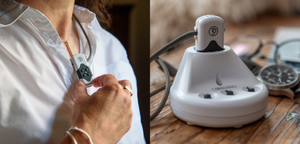
TinniSoothe fits into the ‘Sound Therapy’ category above. It is a small, discreet, wearable white noise device that helps relieve your tinnitus 24/7, without the need for anything in your ears. Wearable throughout the whole day and dockable at night, TinniSoothe takes the edge off your tinnitus, giving you relief around the clock.
What Makes TinniSoothe Different?
Continuous Relief
TinniSoothe is designed to provide continuous relief for tinnitus sufferers, helping you avoid silence, which can be a common trigger for discomfort. Worn like a necklace during the day and placed in its docking cradle at night, it offers subtle white noise in a discreet, practical way.
Configurability
Over five years of engineering have gone into the product, allowing users to finely tune the white noise output by adjusting both volume and frequency. With 60 volume increments and 40 frequency increments, TinniSoothe offers 2,400 possible combinations to help users find the setting that best suits them.
Convenience
TinniSoothe is portable, wearable and does not require anything in or around your ears. Measuring just 59mm (2 1⁄2 inches) and weighing only 16 grams (half an ounce), it is designed to be discreet, practical and easy to use across the day and night.
The combination of these 3 key differentiators makes TinniSoothe truly unique.
Ready to try TinniSoothe?
TinniSoothe was designed to make sound therapy easier to live with - discreet by day, ready by night, and with nothing in or around your ears. Try it at home, use it in real life, and see whether it helps you feel calmer and more in control.
30-day money-back guarantee. Free UK delivery.


Winner - 2025 Hearing
Technology Innovator

Class 1 Medical device

Independently Assessed
by Tinnitus UK

Made in Britain

30-Day Money Back
Guarantee